
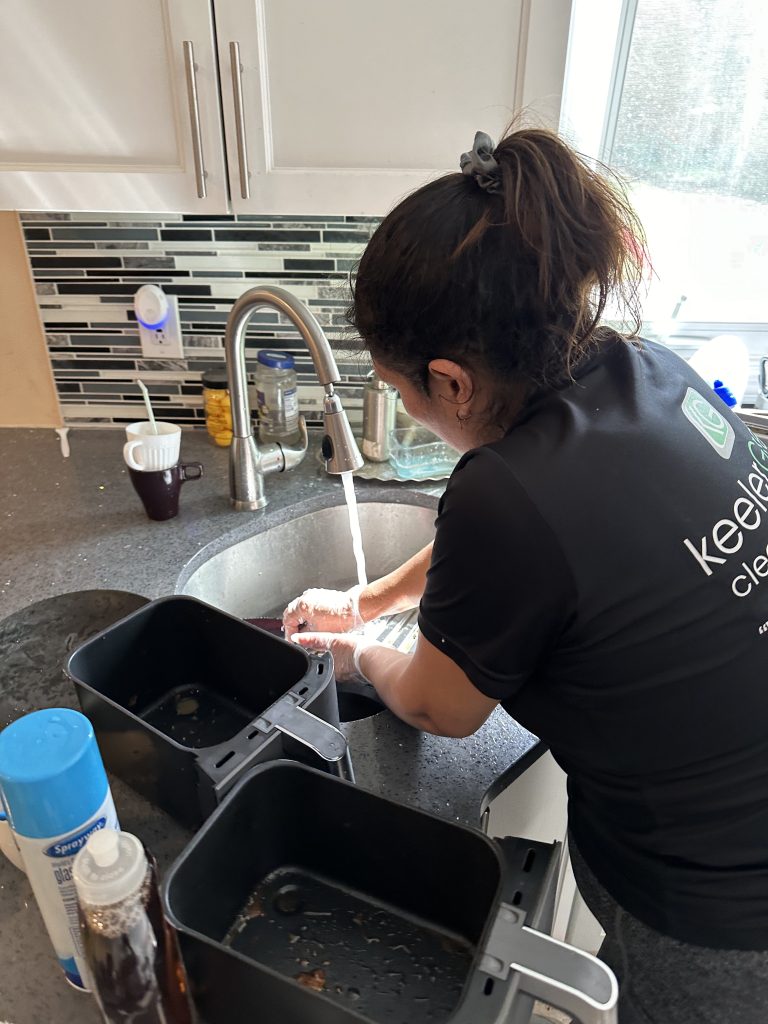
When most people clean their kitchen, they focus on the dishes, the counters, and sometimes even the floors. But the sink, ironically the place where we clean everything else, often gets neglected. Simply rinsing it with water might seem like enough-but it’s not. Scouring the sink after every use isn’t just about appearance-it’s about health, safety, and long-term cleanliness.
Let’s dive into the real reasons why this overlooked step is so essential.
1. Your Sink Is a Germ Magnet
It may surprise you, but studies have shown that kitchen sinks can harbor more bacteria than your toilet seat. Raw meat, dirty dishes, old sponges, and even hands contribute to the accumulation of E. coli, Salmonella, and Listeria-bacteria that can cause serious illness. If not removed promptly, these germs can multiply and spread to nearby surfaces, utensils, and even your food.
Scouring the sink with the proper cleaner helps break down and eliminate those bacteria. It’s not enough to just rinse-it takes friction and a proper cleaning agent to truly disinfect the surface.
2. Scouring Prevents Odors
Have you ever noticed a funky smell in your kitchen, even after you’ve taken out the trash? Odds are, it’s coming from your sink. Food scraps and soap residue often get stuck in the drain or cling to the sink basin. Over time, they rot and create a musty, sour, or rotten odor.
When you scour the sink regularly, you remove the grime that causes these smells. This keeps your kitchen smelling fresh and makes your home feel clean overall.
3. Protects the Surface of the Sink
Whether your sink is made of stainless steel, porcelain, or composite material, scouring helps
maintain its finish. Soap scum, grease, coffee stains, and hard water deposits can dull the surface and cause discoloration. If left uncleaned, these residues become harder to remove and may even cause scratches or corrosion over time.
A quick daily scouring helps preserve the shine, extends the life of the sink, and keeps it looking brand new for years.
4. Discourages Pests
Ants, roaches, fruit flies, and even mice are drawn to areas with food residue. The sink-especially when full of dirty dishes or leftover particles-is like an open buffet for pests. Scouring the sink after use ensures there’s no organic matter for them to feed on.
This simple habit can be a powerful part of your overall pest prevention strategy, especially in warmer months.
5. Makes You Look Professional and Clean
If you run a cleaning service or share a home with others, leaving a clean sink speaks volumes. It shows you’re detail-oriented, respectful, and take hygiene seriously. Clients, guests, and family members will notice.
For professional cleaners, this one step could be the difference between a good review and a great one.
6. Saves You Time in the Long Run
Grime, grease, and food build-up become harder to clean over time. Regular scouring prevents this buildup, meaning you won’t have to use harsh chemicals or spend hours scrubbing when it’s time for a deep clean. A quick two-minute scrub today saves you from a 20-minute mess next week.
How to Properly Scour Your Sink
To get the best results:
– Remove all dishes and rinse out the sink.
– Sprinkle baking soda or use a gentle scouring cleanser.
– Use a non-abrasive sponge or scrub pad to clean the entire basin, faucet, and drain area. – Rinse with hot water.
– Finish with a disinfectant spray or white vinegar for extra germ-fighting power.
Final Thoughts
Scouring the sink is a simple but powerful act. It protects your health, improves your kitchen’s smell and appearance, and helps preserve the beauty of your home. Whether you’re maintaining your own kitchen or working in a professional cleaning role, this habit should never be skipped.
Remember, the sink is the heart of the kitchen. Keep it clean, and your whole home will feel fresher.